
Best Programming Laptops Under $500 in 2026: 10 Picks by Specs
The HP 14 Inch Student Laptop is the top pick in this budget guide: it is the only pick here that states 16GB of RAM, and it also states 512GB of storage, giving an editor, a browser and a local database room to work together. The other picks come from the current catalogue for this price range, chosen on the specifications each seller states. No laptop here was tested.
10 picks from 12 laptops that match this guide with a price we can quote today. Every price below is live and carries the moment it was read.
The picks at a glance
Which one should you buy?
- For a student writing code between classes: A 14-inch HP with 16GB of RAM and 512GB of storage is enough stated headroom for an editor, a browser and a local database without weighing down a backpack at 1.47 kg. See pick 1
- For a web developer with a browser, an editor and a container open: The ASUS Vivobook 16 pairs 8GB of RAM with 512GB of storage, leaving stated room to keep repositories and dependencies on the drive while you work on the 16-inch screen. See pick 2
- For someone who carries the laptop to a campus library or cafe: The Morostron Laptop states a 16-inch screen at 1.4 kg, one of the lighter stated weights among the large displays in this list, so you get more screen without a much heavier bag. See pick 9
- For a developer who keeps several datasets and project images on the drive: The Lenovo IdeaPad Slim 3 states 1.12TB of combined storage, the most in this guide, so you can keep datasets and container images on the machine without reaching for an external drive. See pick 4
The 10 picks
1 Most RAM in this price window
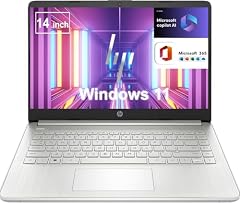
HP 14 Inch Student Laptop
- CPU
- Intel Pentium Silver N5030
- RAM
- 16 GB
- Storage
- 512 GB
- Screen
- 14 in
- Weight
- 1.47 kg
- OS
- Windows 11
$499.99 price as of 2026-10-09 17:21 UTC (Details)
This is the only laptop in the pool that states 16GB of RAM, and it also states 512GB of storage. That combination gives you more headroom for an editor, a browser with many tabs and a local server running together than the other picks in this price range.
Pros
- 16GB of RAM, the most stated in this list
- 512GB of storage
- 14-inch screen at 1.47 kg, one of the lightest here
- Windows 11 listed
Cons
- Intel Pentium Silver processor, an entry-level processor in Intel's naming
- Operating system edition is not stated by the seller
- No discrete GPU or graphics memory stated by the seller
Good fit if
- Students or early-career developers who want the most memory their budget allows
- Programmers who keep an editor, browser tabs and a local database open at once
Skip if
- You need a larger screen for side-by-side code
- You plan to run several virtual machines, which ask for more than 16GB and a stronger processor
Verdict: The HP 14 Inch Student Laptop is the best budget programming pick because it leads the pool on RAM and still carries 512GB of storage.
2 Best for a large screen with 512GB of storage

ASUS Vivobook 16 Laptop
- CPU
- AMD Ryzen 5 150
- RAM
- 8 GB
- Storage
- 512 GB
- Screen
- 16 in
- Weight
- 1.88 kg
- OS
- Windows 11 Home
$449.99 price as of 2026-10-09 17:21 UTC (Details)
The ASUS Vivobook 16 is the only 16-inch pick here with 512GB of storage. Its 16-inch WUXGA display uses a 1920x1200 16:10 panel, which gives more vertical room for code beside a browser, and the listing states an AMD Ryzen 5 150 processor.
Pros
- 16-inch WUXGA display with 1920x1200 resolution
- 512GB of storage
- AMD Ryzen 5 150 processor
- Windows 11 Home stated
Cons
- 8GB of RAM
- 1.88 kg, the heaviest stated weight in this guide
- No GPU or graphics memory stated by the seller
Good fit if
- Developers who want a large screen for code, a browser and a terminal side by side
- People who want enough storage for repositories, dependencies and project images
Skip if
- You need 16GB of RAM for heavier local servers or containers
- You carry the laptop daily and want a lighter machine
Verdict: The ASUS Vivobook 16 is the large-screen pick, with a roomy display and 512GB of storage on an AMD Ryzen 5.
3 Best from a large maker with a recent Intel Core 3

Dell 15.6 Laptop
- CPU
- Intel Core 3 100U
- RAM
- 8 GB
- OS
- Windows 11 Home
$499.00 price as of 2026-10-09 17:21 UTC (Details)
The Dell 15.6 Laptop is a large-maker pick that states an Intel Core 3 100U processor, which Intel groups in its Core processor family rather than the value-oriented Intel Processor, Pentium or Celeron lines. It also states 8GB of RAM and a 15.6-inch FHD display.
Pros
- Intel Core 3 100U processor from Intel's Core family
- 15.6-inch FHD display
- Windows 11 Home stated
- Large, recognizable maker
Cons
- 8GB of RAM
- Storage size is not stated by the seller
- Weight is not stated by the seller
Good fit if
- Buyers who want a recognizable maker and a recent Intel Core chip at a budget price
- Programmers who plan to use an external drive or cloud storage because local storage is not specified
Skip if
- You need a stated amount of local storage
- You want 16GB of RAM for more side-by-side work
Verdict: The Dell 15.6 Laptop is a solid mainstream pick, with a Core 3 processor and a 15.6-inch screen, though the seller does not state the storage size.
4 Most storage in this list

Lenovo IdeaPad Slim 3 Laptop
- CPU
- Intel N150
- RAM
- 8 GB
- Storage
- 1120 GB
- Screen
- 15.6 in
- Weight
- 1.55 kg
- OS
- Windows 11
$469.00 price as of 2026-10-09 17:22 UTC (Details)
The Lenovo IdeaPad Slim 3 states 1.12TB of combined storage, the most of any pick in the pool. That is a real advantage when you keep several project checkouts, container images and virtual machine disks on one laptop.
Pros
- 1.12TB of stated storage, the most in this guide
- 15.6-inch FHD display
- 1.55 kg stated weight
- Windows 11 listed
Cons
- 8GB of RAM
- Intel N150 processor, an entry-level Intel Processor
- Storage is a combination of 128GB UFS and a 1TB drive, not a single SSD
Good fit if
- Developers whose repositories, dependencies and local data sets outgrow a 512GB drive
- Students who want a large screen and roomy storage for coursework
Skip if
- You want a single SSD and a clearer storage story
- You need more than 8GB of RAM for containers or virtual machines
Verdict: The Lenovo IdeaPad Slim 3 wins on capacity: its 1.12TB of stated storage is the most in this price window, but the 8GB of RAM keeps it a light-to-medium duty coding machine.
5 Most RAM among 16-inch picks

Fsjun 16" Laptop Ultra-Narrow bezels 2.5K FHD(2560x1600) IPS Screen
- CPU
- Intel Celeron N5095
- RAM
- 12 GB
- Storage
- 1000 GB
- Screen
- 16 in
- Weight
- 1.6 kg
- OS
- Windows 11 Pro
$499.99 price as of 2026-10-09 17:21 UTC (Details)
At 16 inches with 12GB of RAM and 1TB of storage, the Fsjun is the only pick here with more than 8GB of RAM besides the HP. Its 2560x1600 IPS display is also the highest native resolution stated in this pool.
Pros
- 12GB of RAM, the most among 16-inch picks
- 1TB of storage
- 16-inch 2560x1600 IPS screen
- Windows 11 Pro stated
Cons
- Intel Celeron N5095 processor, an entry-level chip
- Brand is not one of the large PC makers in this guide
- 1.6 kg stated weight, heavier than the HP
Good fit if
- Programmers who want a sharp, large display and 12GB of RAM for more open tabs and editors
- Developers who need 1TB of storage for datasets or virtual machine files
Skip if
- You prefer a laptop from a larger, more established maker
- You want a processor from Intel's Core family rather than the Celeron line
Verdict: The Fsjun 16 offers the best screen-and-memory combination in this price window: 12GB of RAM, 1TB of storage and a 2560x1600 display, though the brand and processor are entry-level.
6

Lenovo 15.6" FHD Everyday Laptop
- CPU
- Intel N150
- RAM
- 8 GB
- Storage
- 128 GB
- Screen
- 15.6 in
- Weight
- 1.55 kg
$479.99 price as of 2026-10-09 17:22 UTC (Details)
This Lenovo listing is a 15.6-inch N150 machine with 8GB of RAM and 128GB of storage. It is nearly identical to the other Lenovo N150 pick, but the pool lists both, and both come from an established maker.
Pros
- Lenovo brand
- 15.6-inch FHD display
- 8GB of DDR5 RAM stated
- 1.55 kg stated weight
Cons
- 128GB of storage, tied for the smallest in this guide
- Intel N150 processor, an entry-level Intel Processor
- Nearly identical to another pick in this list
Good fit if
- Buyers who trust Lenovo and need a basic Windows laptop for editor-only work
- Students who want a light 15.6-inch machine at 1.55 kg
Skip if
- You need room for more than a few projects on the 128GB drive
- You want more than 8GB of RAM for side-by-side work
Verdict: The Lenovo 15.6 FHD Everyday Laptop is a dependable, light Windows laptop with a familiar brand, but its 128GB of storage makes it best for small workloads.
7
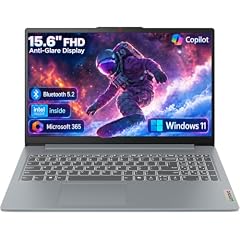
Lenovo Business 15.6" FHD Laptop
- CPU
- Intel N150
- RAM
- 8 GB
- Storage
- 128 GB
- Screen
- 15.6 in
- Weight
- 1.55 kg
- OS
- Windows 11 Home
$429.99 price as of 2026-10-09 17:22 UTC (Details)
This is the other Lenovo N150 listing in the pool with 8GB of RAM and 128GB of storage. It appears because the pool holds both Lenovo machines, and Lenovo is an established maker.
Pros
- Lenovo brand
- 15.6-inch FHD display
- 8GB of DDR5 RAM stated
- 1.55 kg stated weight
Cons
- 128GB of storage, tied for the smallest in this guide
- Intel N150 processor, an entry-level Intel Processor
- Operating system is not stated by the seller
Good fit if
- Budget shoppers who want a known brand for basic code editing
- Users who store projects mostly in the cloud or on external drives
Skip if
- You need local storage for large repositories or container images
- You want a stated operating system in the listing
Verdict: The Lenovo 16 FHD Premium Performance Laptop is a low-cost Lenovo option, but the 128GB drive and missing operating system in the listing make it best for light workloads.
8

15.6 Inch Laptops
- CPU
- Intel Core i3
- RAM
- 8 GB
- Storage
- 128 GB
- Screen
- 15.6 in
- Weight
- 1.6 kg
$429.99 price as of 2026-10-09 17:20 UTC (Details)
A BIRDPLAY 15.6-inch laptop with a Core i3 processor, 8GB of RAM and 128GB of storage. The Core i3 name comes from Intel's Core family, while several peers use the value-oriented Intel Processor, Pentium or Celeron lines.
Pros
- Intel Core i3 processor stated
- 15.6-inch screen
- 8GB of RAM
- 1.6 kg stated weight
Cons
- 128GB of storage
- Operating system is not stated by the seller
- Brand is not one of the large PC makers in this guide
Good fit if
- Developers who want a Core i3 name at a low price
- Users who keep their workspace light and store code in remote repositories
Skip if
- You need a stated operating system
- You need 512GB or more of local storage
Verdict: The BIRDPLAY 15.6 is a low-cost Core i3 laptop with 8GB of RAM, but the 128GB drive and missing OS statement keep it for light coding.
9 Lightest stated 16-inch laptop in this list

Morostron Laptop 16-inch 8GB DDR 256GB SSD Portable
- RAM
- 8 GB
- Storage
- 256 GB
- Screen
- 16 in
- Weight
- 1.4 kg
$499.00 price as of 2026-10-09 17:22 UTC (Details)
The Morostron is the lightest of the 16-inch picks at 1.4 kg, even though it has a 16-inch screen. It also states 256GB of storage, which is more than the 128GB Lenovo and BIRDPLAY models.
Pros
- 16-inch screen at 1.4 kg, the lightest large-screen pick here
- 256GB of storage
- 8GB of RAM
- Portable shape for carrying to a library or office
Cons
- Processor is only described as a Pentium quad-core, with no model from a major chip maker in the listing
- Operating system is not stated by the seller
- Memory is described as DDR without a generation
Good fit if
- Students who carry the laptop daily and want a wide screen
- Programmers who value portability over raw power
Skip if
- You want a named processor family from a major maker
- You need 512GB of storage or more
Verdict: The Morostron Laptop balances a large 16-inch display with the lightest stated weight in this guide, at the cost of a generic processor name and modest storage.
10

AKCHART 15.6" AI Laptop with Office 365
- CPU
- Intel Celeron J4105
- RAM
- 6 GB
- Storage
- 128 GB
- Screen
- 15.6 in
- Weight
- 1.66 kg
- OS
- Windows 11
$449.99 price as of 2026-10-09 17:20 UTC (Details)
The AKCHART is a 15.6-inch laptop with 6GB of RAM, 128GB of storage and an Intel Celeron J4105, according to the listing. It is the lightest on RAM in this pool, so it fits only the lightest editing workflows.
Pros
- 15.6-inch screen
- 128GB of storage stated
- Windows 11 listed
- 1.66 kg stated weight
Cons
- 6GB of RAM, the least in this guide
- Intel Celeron J4105 processor
- Brand is not one of the large PC makers in this guide
Good fit if
- A beginner writing short scripts in one editor with few open tabs
- A backup laptop for cloud-based coding environments
Skip if
- You open a browser, editor and terminal side by side
- You expect to run containers or local databases
Verdict: The AKCHART 15.6 can handle basic text editing, but its 6GB of RAM makes it the least suitable pick here for multitasking while coding.
Side by side
| # | Laptop | CPU | GPU | GPU memory | Rentable GPU model | RAM | Storage |
|---|---|---|---|---|---|---|---|
| 1 | HP 14 Inch Student Laptop | Intel Pentium Silver N5030 | not stated | not stated | not stated | 16 GB | 512 GB |
| 2 | ASUS Vivobook 16 Laptop | AMD Ryzen 5 150 | not stated | not stated | not stated | 8 GB | 512 GB |
| 3 | Dell 15.6 Laptop | Intel Core 3 100U | not stated | not stated | not stated | 8 GB | not stated |
| 4 | Lenovo IdeaPad Slim 3 Laptop | Intel N150 | not stated | not stated | not stated | 8 GB | 1120 GB |
| 5 | Fsjun 16" Laptop Ultra-Narrow bezels 2.5K FHD(2560x1600) IPS Screen | Intel Celeron N5095 | not stated | not stated | not stated | 12 GB | 1000 GB |
| 6 | Lenovo 15.6" FHD Everyday Laptop | Intel N150 | not stated | not stated | not stated | 8 GB | 128 GB |
| 7 | Lenovo Business 15.6" FHD Laptop | Intel N150 | not stated | not stated | not stated | 8 GB | 128 GB |
| 8 | 15.6 Inch Laptops | Intel Core i3 | not stated | not stated | not stated | 8 GB | 128 GB |
| 9 | Morostron Laptop 16-inch 8GB DDR 256GB SSD Portable | not stated | not stated | not stated | not stated | 8 GB | 256 GB |
| 10 | AKCHART 15.6" AI Laptop with Office 365 | Intel Celeron J4105 | not stated | not stated | not stated | 6 GB | 128 GB |
How we picked
The catalogue held 12 priced listings in the budget window, and after folding near-duplicates the pool used here contains 10 distinct laptops. The selection rule for this price guide does not filter on RAM, because almost no laptop in this window states 16GB or more. From that pool I kept every listing, then ordered the picks by how the stated RAM, storage, screen size, weight and operating system suit programming work. Prices are live and are read from the store listing at the time shown with each price. Nobody at this site tested, benchmarked or handled any of these machines; every specification comes from the seller's stated listing, and when a spec is missing the guide says it is not stated by the seller.
How to choose
What a budget laptop buys a programmer and what it does not
In this price window you are choosing among entry-level processors, 8GB of RAM on most machines, and storage from 128GB to just over 1TB. For web development, coursework and small backend projects, the main things to protect are RAM and storage. A machine with more RAM lets an editor, a browser and a local database sit open at the same time, and a larger drive holds the repositories, dependencies and container images those projects create.
No laptop in this pool states a discrete GPU, so local machine learning work is better planned on a different machine.
RAM: the most important spec in this window
Most of the picks here state 8GB of RAM, two state more, and one states 6GB. If you keep a code editor, a browser with many tabs and a terminal open at once, 8GB is the practical floor; 12GB or 16GB leaves more room for a local database or a container. The HP with 16GB is the strongest memory choice in this guide, and the Fsjun with 12GB is the next step down. On a 6GB machine, plan to close other applications when you code.
Storage for repositories, dependencies and images
Source files are small, but the rest of a programming environment is not. Dependencies, container images, virtual machine disks and datasets can fill a 128GB drive quickly. In this guide, storage ranges from 128GB to 1.12TB. If you work on several projects at once, pick a model with 512GB or more. If you use remote servers, cloud storage and external drives, a 256GB machine can be enough.
Screen size and weight when you carry it
The pool has 14-inch and 16-inch screens. A 16-inch display gives more room for code next to a browser, while a 14-inch model is generally lighter and easier to carry between class and home. The stated weights here run from 1.4 kg to 1.88 kg. If you carry the laptop daily, check the weight and choose a smaller screen or a lighter 16-inch model like the Morostron at 1.4 kg.
The GPU question: leave local model work to another machine
None of the listings in this pool state a discrete GPU or any amount of graphics memory. For ordinary web and backend work that is not a problem. If machine learning or local model work is part of your plan, the amount of graphics memory limits how large a model the card can hold, and a laptop without stated graphics memory cannot make that claim. Keep that workload on a machine with a stated GPU.
What this guide leaves out and why
This guide only uses the specifications each seller states: processor, RAM, storage, screen, weight and operating system. It does not cover keyboard feel, trackpad quality, build quality, fan noise, heat or battery life in hours, because the catalogue holds no data on those. It also does not report on Linux compatibility or whether a specific tool runs on a specific laptop, since no machine was tested.
Questions
Which budget laptop has the most RAM for programming?
Of the 10 laptops in this guide, the HP 14 Inch Student Laptop states 16GB of RAM, the most in the pool. The Fsjun 16 states 12GB, while most other picks state 8GB and one states 6GB. More RAM lets an editor, a browser, a terminal and a local database all stay open at once, which is why the HP leads this guide.
Can I run Docker or virtual machines on a budget laptop?
Containers and virtual machines use the same RAM as your editor and browser. With 8GB of RAM, which most picks here state, the practical approach is to close heavier applications before starting a container. A 12GB or 16GB machine, like the Fsjun or HP, leaves more room for that mix. The 6GB AKCHART is the least suited to this kind of work.
Does this guide cover keyboards or Linux?
No. The catalogue only states processor, RAM, storage, screen, weight and operating system. It has no data on keyboard feel, trackpad, build quality, fan noise, heat or battery life, and this site does not guess. It also cannot report on Linux support or compatibility because no laptop was tested and the listings do not state driver support.
Do I need a discrete GPU for programming in this price range?
No laptop in this pool states a discrete GPU or any graphics memory. For web, backend and coursework code, that is usually fine because an editor and browser do not need a separate graphics card. If you plan to train or run local machine learning models, the amount of graphics memory limits how large a model can fit, and none of these picks state any. Plan a separate machine with a stated GPU for that work.
How much storage is enough for a budget programming laptop?
The picks here range from 128GB to 1.12TB of stated storage. Source code itself is small, but dependencies, container images, virtual machine disks and datasets take more room. If you keep several projects and local images, choose 512GB or more. If you store code in a remote repository and use an external drive, a 256GB machine can be enough.
Recent updates
- : First published.